Recognizing and Treating Common Tree Pests in Your Area
Maintaining the health and vitality of trees in any landscape requires an understanding of the common pests that can affect them. These pests, ranging from tiny aphids to wood-boring larvae, can cause significant damage if left unmanaged. Recognizing the signs of infestation early and applying appropriate treatment methods are crucial steps in preserving the beauty and structural integrity of trees. This guide provides an overview of typical tree pests, how to identify them, and the prevention and treatment strategies available to homeowners and property managers.
Effective tree care is a process that involves regular observation, identification, and response. By learning to recognize the symptoms of pest activity, individuals can take proactive measures to mitigate potential harm. It is important to note that the presence of pests does not automatically lead to tree decline; many factors, including tree species, health, and environmental conditions, influence the outcome. Therefore, a thoughtful and informed approach is essential for successful pest management.
The following sections explore several widespread pests—aphids, borers, and caterpillars—and provide insights into their life cycles, damage patterns, and control options. The information presented here aims to equip readers with the knowledge to assess their trees and decide on suitable actions, always considering the broader ecological context.
Understanding Tree Pest Identification
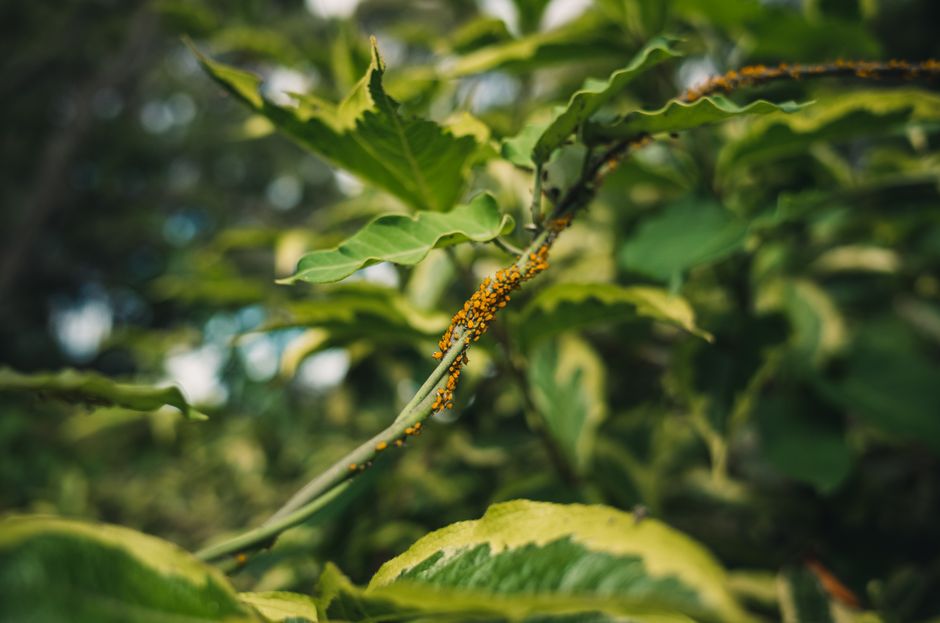
Accurate identification of tree pests is the foundation of any treatment plan. Different pests cause distinct types of damage, and misidentification can lead to ineffective or even harmful interventions. For instance, aphids are small, soft-bodied insects that feed on sap, often clustering on new growth and undersides of leaves. They may produce a sticky substance called honeydew, which can lead to sooty mold. In contrast, borers are the larval stage of certain beetles or moths that tunnel into the wood, disrupting the tree’s vascular system. Their presence may be indicated by exit holes, sawdust-like frass, or dying branches. Caterpillars, the larval stage of butterflies and moths, feed on foliage, causing defoliation. Some species, like tent caterpillars, create silken webs in branch crotches.
Observation is a key component of identification. Homeowners should regularly inspect their trees, looking for visual cues such as discolored leaves, premature leaf drop, unusual growths, or visible insects. Using a magnifying glass can help in examining small pests. It is also beneficial to note the time of year, as many pests have predictable seasonal activity. For example, certain borers are attracted to stressed trees and may emerge in late spring. By combining these observations with knowledge of common pests in the region, individuals can make more accurate assessments. However, when in doubt, consulting a professional arborist, such as those at GreenSpire Arborists, can provide a definitive diagnosis and guidance.
Prevention: Cultivating Tree Health
Preventing pest infestations is often more effective than treating them after they occur. A healthy tree is better equipped to resist or tolerate pest damage. Key preventive measures include proper planting, watering, mulching, and fertilization. Choosing tree species that are well-adapted to the local climate and soil conditions reduces stress, making them less susceptible to pests. Adequate watering, especially during drought periods, helps maintain vigor, while overwatering can lead to root rot and other issues. Mulching around the base of the tree conserves moisture and regulates soil temperature, but it is important to avoid piling mulch against the trunk.
Regular pruning is another preventive practice. Removing dead or diseased branches not only improves the tree’s appearance but also eliminates potential entry points for pests. Pruning should be done correctly, using clean cuts to minimize damage. It is also advisable to avoid wounding trees with lawn equipment, as wounds can attract borers. In addition, maintaining a diverse landscape with a variety of tree species can reduce the risk of widespread damage from a single pest. By focusing on these cultural practices, property owners can create an environment that is less favorable to pest outbreaks.
Treatment Options: Integrated Pest Management
When pest populations reach damaging levels, intervention may be necessary. Integrated Pest Management (IPM) is a comprehensive approach that combines biological, cultural, physical, and chemical methods. The first step in IPM is to monitor pest levels and determine whether treatment is warranted. This involves setting thresholds—levels at which economic or aesthetic damage is deemed unacceptable. If treatment is needed, the least toxic method is often preferred. For aphids, a strong stream of water can dislodge them, and natural predators like lady beetles can help control their numbers. Horticultural oils and insecticidal soaps are effective against many soft-bodied insects and have minimal impact on beneficial organisms.
For borers, prevention is particularly important because they are difficult to control once inside the tree. Maintaining tree health is the primary defense. If borers are detected, insecticide treatments may be applied to the trunk or foliage, but timing is critical. Systemic insecticides can be effective, but they may require professional application. Caterpillars, depending on the species, can be managed by handpicking them from small trees, using Bacillus thuringiensis (Bt) for young larvae, or employing pheromone traps for monitoring. In some cases, choosing to tolerate minor damage is a viable option, as healthy trees can often withstand some defoliation. It is essential to follow label instructions for any pesticide and to consider the potential impacts on pollinators and other non-target organisms.
Professional Intervention and Long-Term Care
Some situations call for professional expertise. Severe infestations, especially those involving borers or large trees, may require the skills of a certified arborist. Professionals have access to specialized equipment and treatments, and they can assess the overall health of the tree to recommend appropriate actions. Companies like GreenSpire Arborists offer services that include pest diagnosis, treatment planning, and ongoing tree care. Their expertise can be invaluable in preserving valuable trees and maintaining a safe landscape.
Long-term care involves regular monitoring and adapting strategies as conditions change. Environmental factors, such as weather patterns and the presence of other stress factors, influence pest dynamics. By staying informed and proactive, tree owners can minimize the impact of pests. It is also important to recognize that no single approach guarantees success; a combination of methods, tailored to the specific situation, is often most effective. Ultimately, the goal is to maintain healthy trees that contribute to the landscape’s beauty and ecological value.
“The best defense against tree pests is a healthy tree.”
In summary, recognizing and treating common tree pests is a multifaceted endeavor. By learning to identify pests like aphids, borers, and caterpillars, implementing preventive practices, and employing IPM strategies, individuals can protect their trees effectively. When needed, professional help is available to address complex cases. With careful attention and informed action, it is possible to manage pest issues while fostering a thriving landscape.